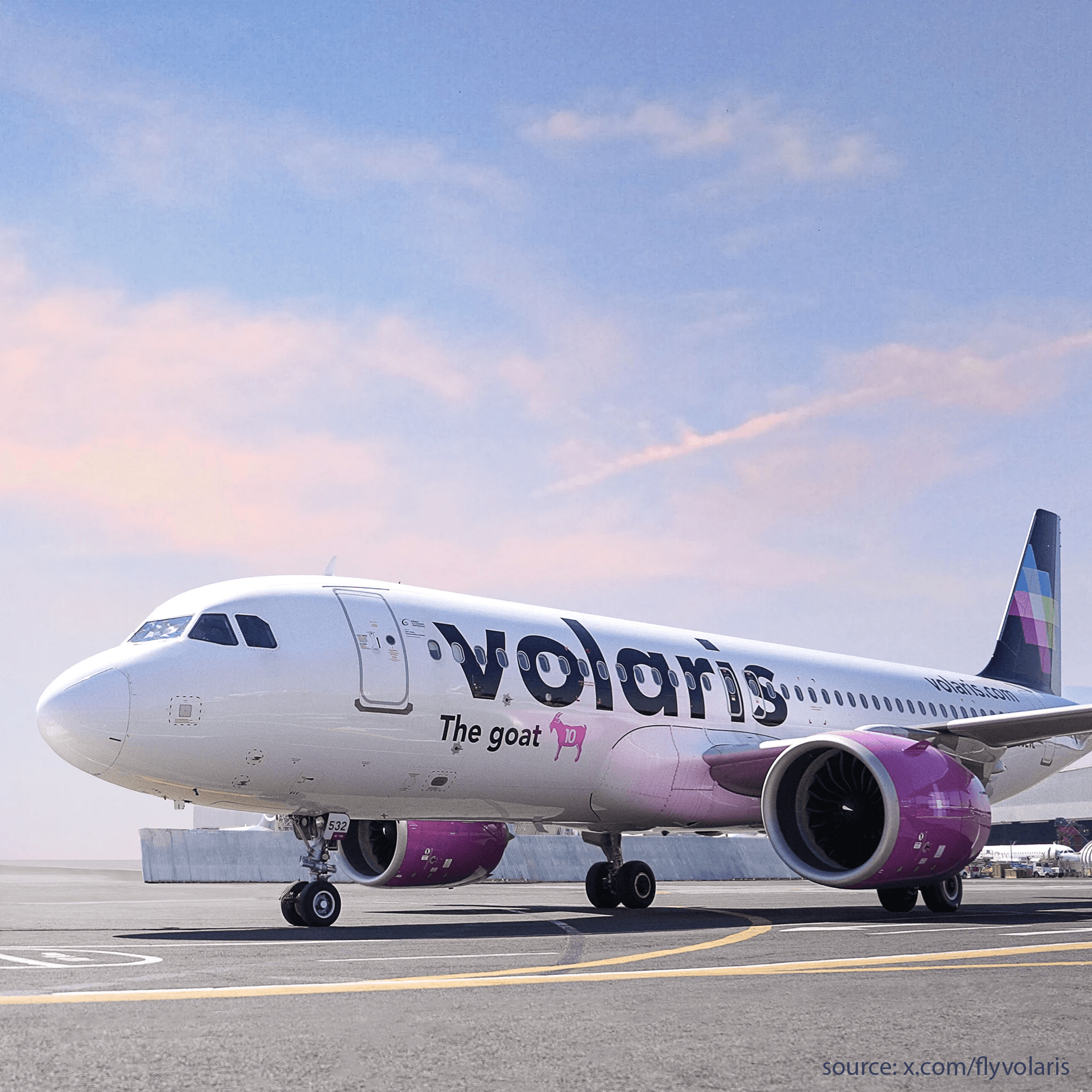

Mexico’s largest ultra-low-cost carrier, operating a fleet of more than 155 aircraft, began logging live structural defects within the first week and reached full operational deployment in just 30 days.
Dent & Buckle has completed the implementation of its aircraft structural defect management platform at Volaris in 30 days — from project kickoff to full operational go-live. The airline’s structures engineering team began entering live defect records into the system within the first week of the project, well ahead of full deployment, marking one of the fastest implementations seen for software of this scope in a commercial airline environment.
In commercial aviation, software rollouts of this category typically take several months and, in some cases, over a year. Airlines frequently cite extended implementation timelines as a key barrier to modernizing structural defect tracking, continuing airworthiness records, and lease-return preparation. Common challenges include maintaining parallel systems, pausing training programs, and managing the operational risk of running mission-critical workflows across multiple platforms. As a result, onboarding speed is increasingly becoming a distinct evaluation criterion alongside functionality and cost.

“Speed is not a feature of the software; it is a customer outcome. Every additional month an airline waits to go live means duplicated work, delayed reporting, and frustration on the hangar floor. Volaris set a clear expectation — a system that would be useful in weeks, not quarters — and that is exactly what the team delivered. The goal is simple: the platform should be working long before the slide deck is forgotten.”
Michał Schutty, CEO of Dent & Buckle

The project followed a tailored onboarding approach designed around Volaris’ existing operational structure rather than a standardized deployment model. From day one, Dent & Buckle and the airline’s engineering team aligned system configuration with fleet structure, maintenance workflows, and reporting processes, with no requirement to reshape operations to fit the software.
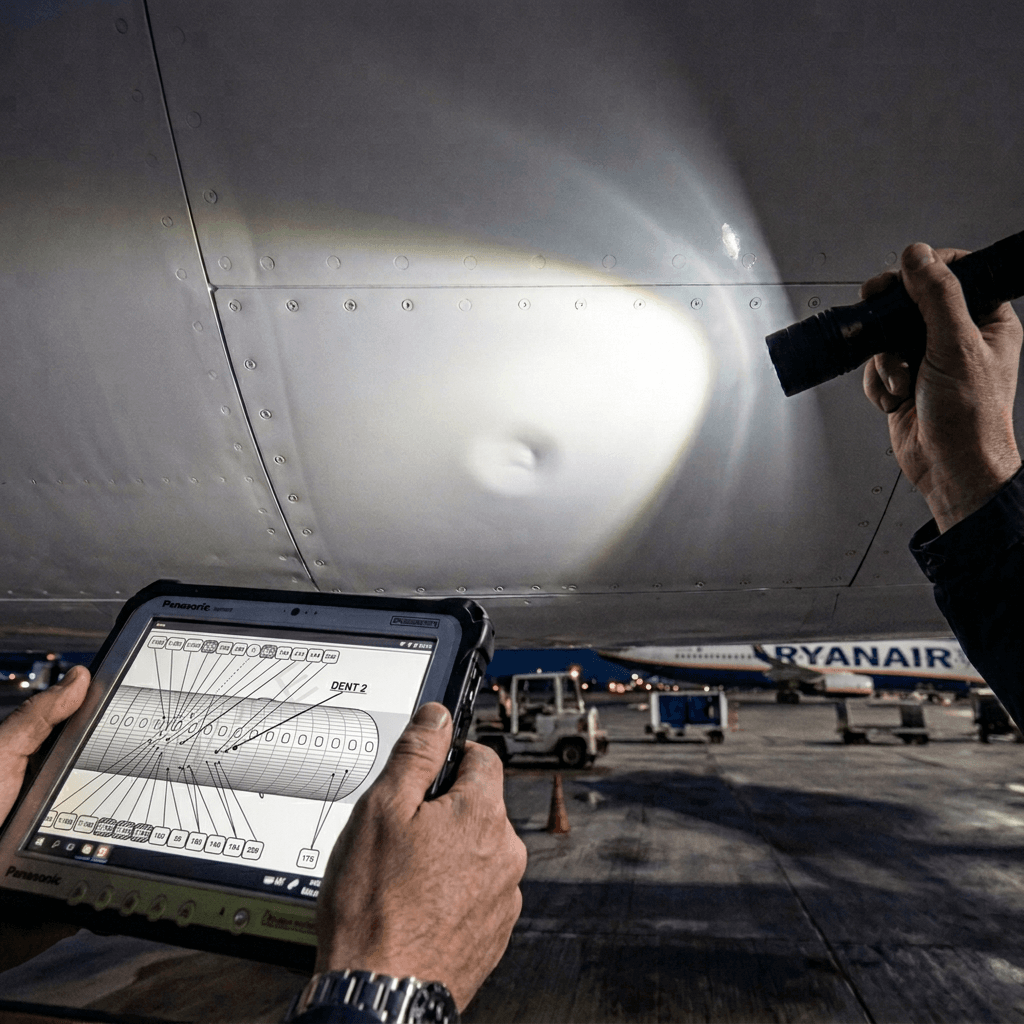
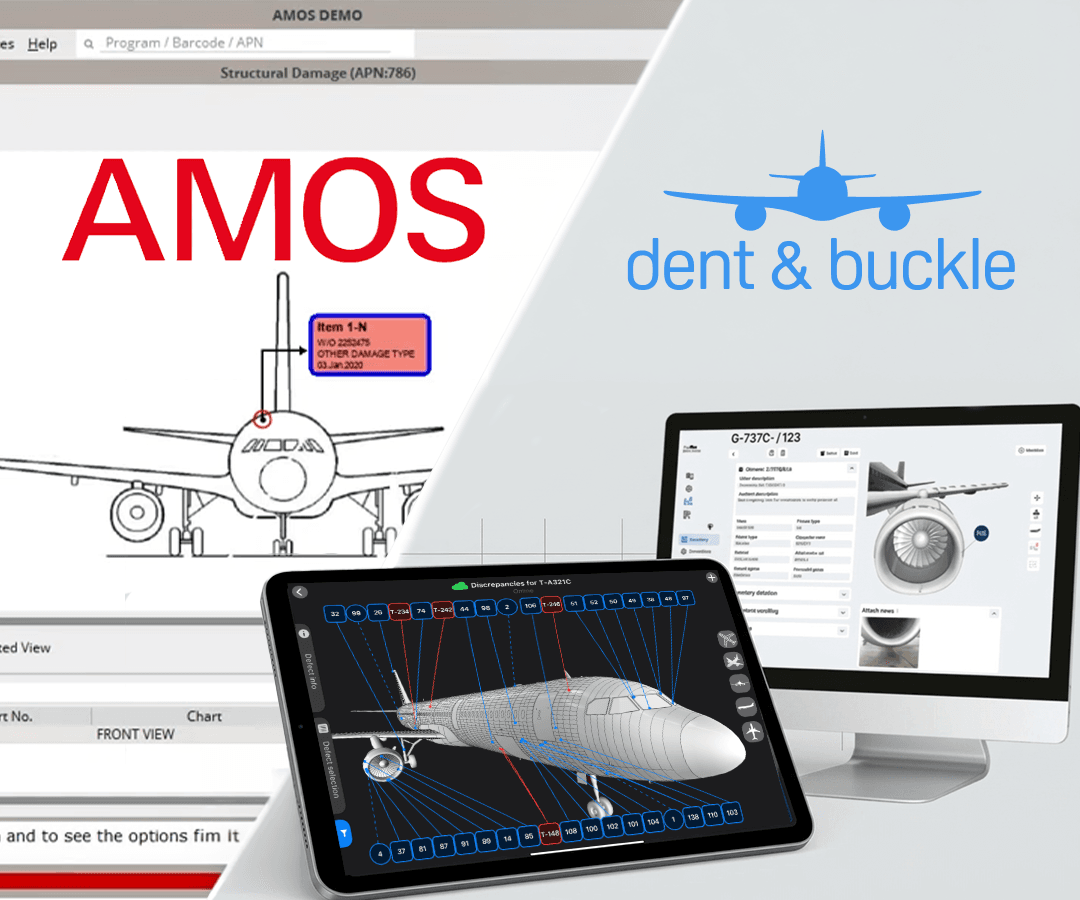
By the end of the first week, structures engineers were entering live defect records directly from mobile devices in the hangar, working with component-based 3D aircraft models. Within 30 days, the full system — including structural defect recording, 3D fleet visualization, and reporting — was fully deployed and operational across the covered fleet, without the need for parallel systems or timeline extensions.
“The speed of the rollout stood out immediately. Having live defect records in the system within the first week helped accelerate adoption across our engineering teams and allowed us to consolidate records faster than expected. We began seeing efficiency gains within the first month of operation.”
Volaris Engineering Team
About Volaris
Volaris (Controladora Vuela Compañía de Aviación, S.A.B. de C.V.) is a low-cost airline headquartered in Mexico, operating a fleet of more than 155 aircraft on point-to-point passenger routes across Mexico, the United States, Central America, and South America.